

© Lyzer 2024. All rights reserved.

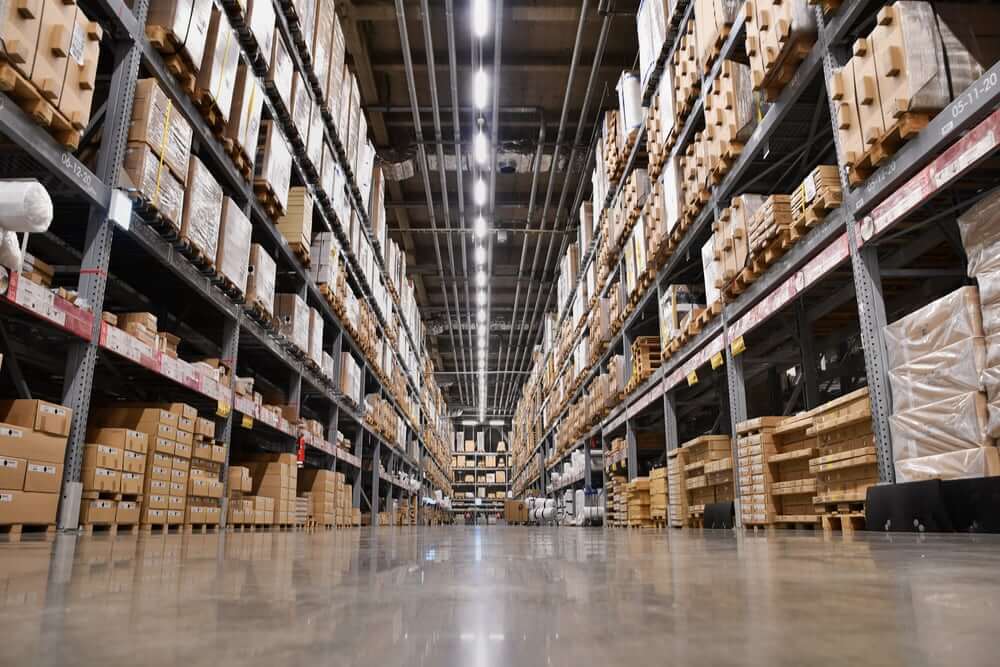
The real cost of fast delivery isn’t the shipping fee. It’s operational friction, brand erosion, and hidden inefficiencies that quietly scale in the background.
Fast delivery looks great on marketing banners, sounds exciting in ads, and drives clicks. But inside most e-commerce operations, “fast” often means fragile.
When speed is pushed without orchestration, teams lose control: orders pile up, routes shift at the last minute, delivery windows collapse, and support teams absorb the fallout. What customers see as convenience, operations experience as chaos.
At Lyzer, we see this every day. The real cost of fast delivery isn’t the shipping fee. It’s the operational friction, brand erosion, and hidden inefficiencies that scale quietly in the background.
It means promising speed without having a connected operational system to manage fulfillment, routing, and last-mile execution in real time.
Many e-commerce brands advertise next-day or same-day delivery. Few have the operational orchestration layer required to execute it consistently. The result is operational chaos disguised as speed.
At Lyzer, we see this pattern constantly: brands chasing faster delivery promises while losing control of execution.
Speed amplifies operational weaknesses.
When order volumes increase and delivery windows shrink, manual coordination, disconnected tools, and reactive workflows break down.
The most common failure points are:
Without orchestration, every “fast” order becomes a risk event.
Missed windows damage three critical areas:
Customers plan their day around delivery windows.
When drivers arrive late or reschedule without notice, customers perceive the brand as unreliable. This directly reduces repeat purchases.
Missed windows create:
Each failed delivery increases cost per order.
Delivery failures don’t stay private.
They show up in:
This creates long-term brand damage that outlives the original order.
Re-routing is often treated as a logistics adjustment. In reality, it is a profit leak.
When routes change manually or too late:
Without centralized route intelligence, businesses pay for inefficiency multiple times per day.
Complaints usually start with one issue: lack of visibility.
Customers contact support when they:
Support teams then compensate for operational gaps. This increases staffing costs and lowers customer satisfaction.
At scale, this becomes unsustainable.
Logistics orchestration means connecting every moving part of your delivery operation into a single, coordinated system that works in real time. Instead of managing orders, drivers, routes, and performance in separate tools or spreadsheets, orchestration brings everything together into one intelligent flow.
It manages order distribution as it happens, automatically assigns the right driver to the right delivery, optimizes routes based on real conditions, continuously monitors performance, and detects exceptions before they turn into costly failures.
The impact is transformative. Orchestration shifts logistics from constant firefighting to predictable, controlled execution. Now, teams spend less time fixing problems and more time scaling efficiently.
Lyzer acts as the operational logistics operator for e-commerce operations.
Instead of reacting to issues after they happen, the platform helps brands stay ahead of problems and make smarter decisions in real time. It allows teams to monitor delivery performance as it happens, automatically assign and optimize delivery tasks, identify risks before delivery windows are missed, reduce unnecessary re-routes, and keep customers proactively informed throughout the delivery journey.
The result is simple: less operational chaos and more control. Instead of just moving faster, businesses start delivering smarter.
When fast delivery is supported by orchestration:
Speed becomes a competitive advantage instead of a liability.
Not who promises the fastest delivery.
But who delivers accurately, consistently, and transparently at scale.
Operational orchestration will be a growth requirement, not an optimization bonus.
The smartest e-commerce brands are shifting focus from speed alone to controlled, orchestrated execution.
At Lyzer, we are building infrastructure that makes that possible.
Because growth without operational control is not scale. It’s risk.
References:
Driving Performance in Logistics: Carrier Metrics That Matters Most, Omniful
Multi-accounting risks every retail business should know, Retail Innovation Hub
Data-Driven Engeneering of Last-Mile Optimization for Quick Commerce, Luiss
Contact Lyzer to learn more about our innovative logistics solutions.